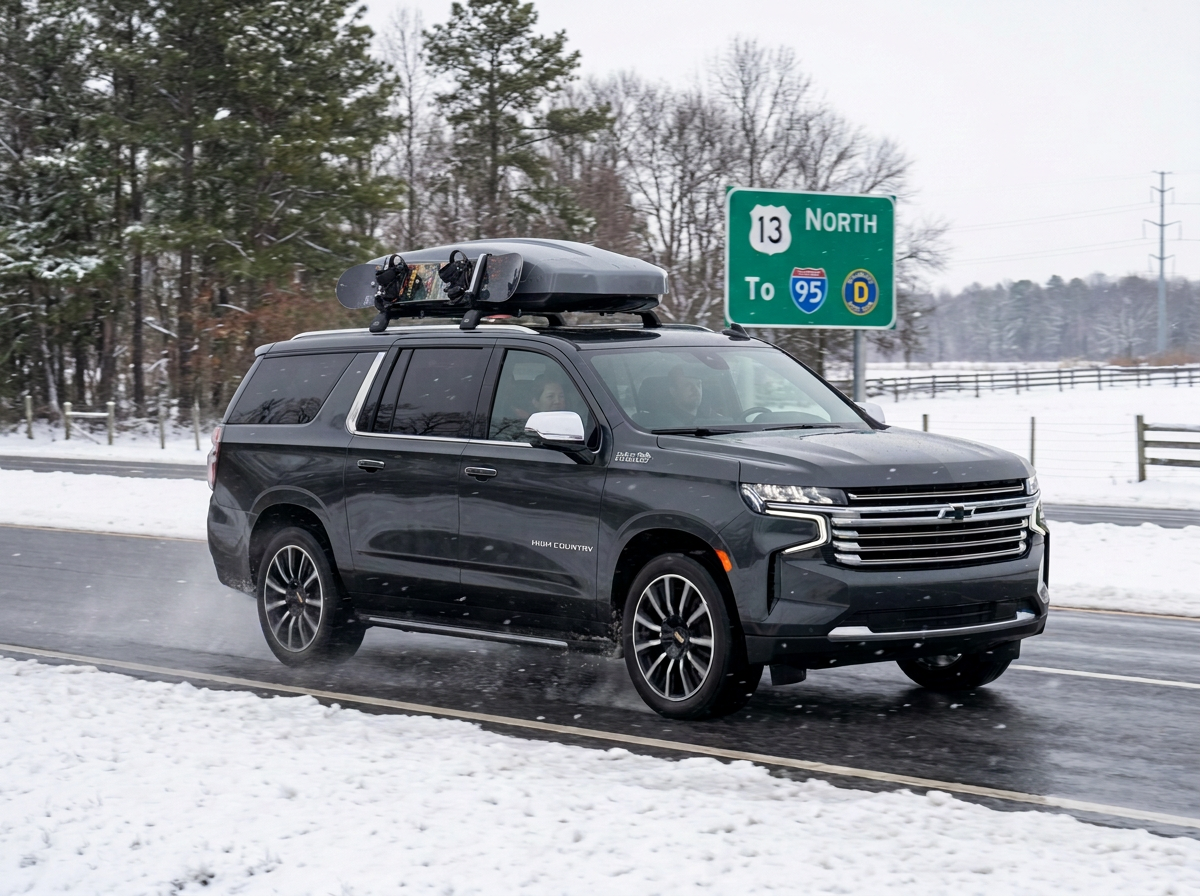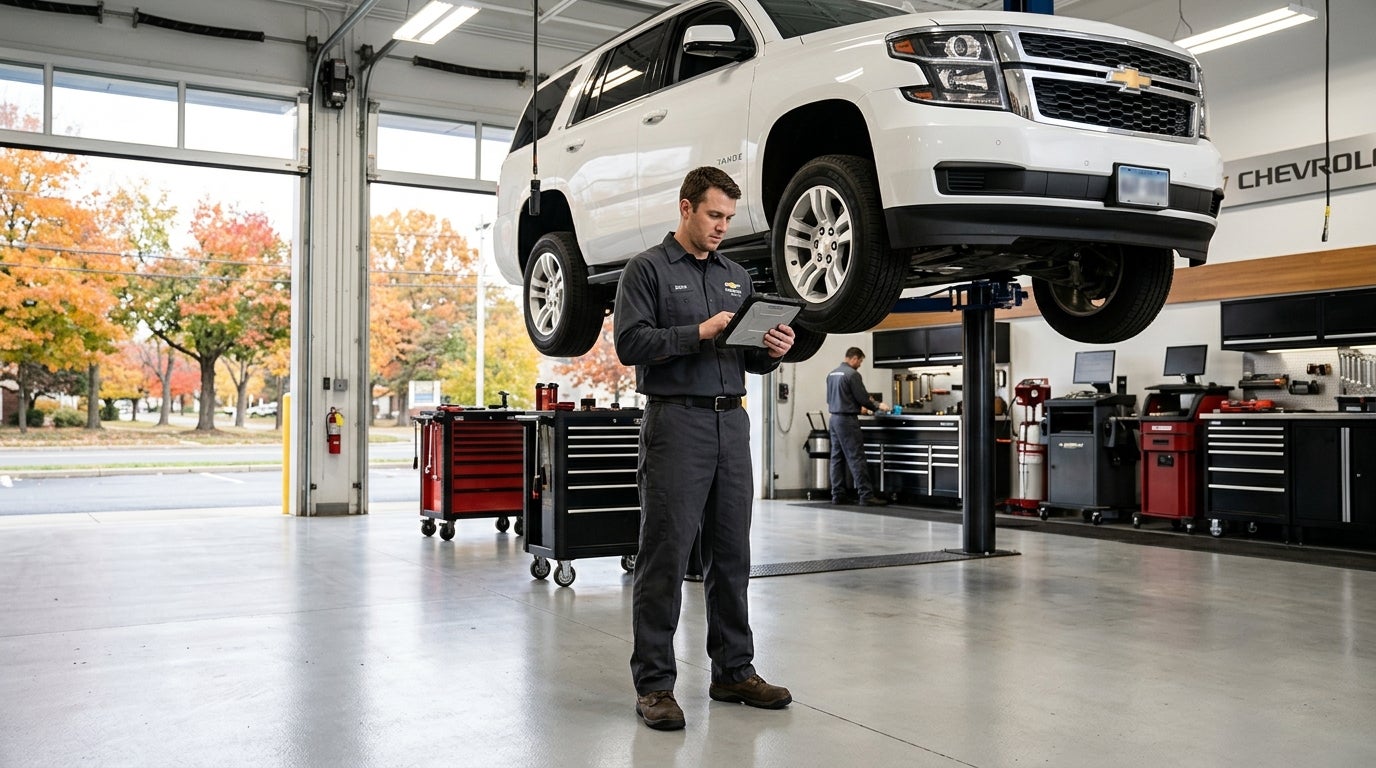




Before winter arrives in Delaware, your vehicle requires a full battery load test, a cooling system hydrometer test for proper antifreeze ratio, tire tread and inflation checks, brake line and pad inspections, fresh winter windshield washer fluid, and replacement wiper blades. Addressing these six core services prevents cold-weather starting failures, restores stopping traction on slick roads, and maintains clear visibility during freezing precipitation. Cold winter weather imposes extreme physical demands on every major mechanical system in your vehicle. Chemical reactions inside automotive batteries slow down dramatically as ambient temperatures fall toward freezing, while engine oil thickens and requires additional electrical energy to crank the engine. At the same time, cooling systems must maintain a precise 50/50 ratio of antifreeze to water to prevent internal engine block cracking, and brake systems must operate flawlessly to handle wet, icy surfaces. Inspecting these vital components before severe weather hits is the most effective way to ensure reliable daily transportation. For example, drivers traveling historic routes along the flat riverfront terrain in New Castle frequently encounter lingering slush, salt spray, and standing water off the Delaware River. Ensuring your brake pads have adequate friction material, your brake lines show no signs of corrosion, and your wiper blades sweep cleanly without streaking is essential for navigating those damp riverfront roads safely. To ensure your vehicle is completely prepared for cold weather, bring your vehicle to our Wilmington location on Pennsylvania Avenue for a comprehensive multi-point inspection. Our factory-trained technicians inspect fluid strength, electrical performance, and mechanical components using specialized diagnostic equipment. If you have questions about seasonal maintenance intervals or notice slow engine cranking on cold mornings, give our team a quick call at (302) 267-4800 to speak with a dedicated service advisor. Table of Contents How Does All-Wheel Drive Improve Traction and How Does Electronic AWD Work? AWD vs. 4WD vs. FWD: Does All-Wheel Drive Help You Stop on Ice Around Wilmington? Are All-Season Tires Sufficient or Do You Need Winter Tires? Essential Cold-Weather Maintenance Checks, Battery Replacement, and Winter Service Costs Common Questions About Winter Driving Safety and Maintenance Schedule Your Winter Maintenance at Winner Chevrolet How Does All-Wheel Drive Improve Traction and How Does Electronic AWD Work? Electronic all-wheel drive improves winter traction by utilizing wheel-speed sensors, an electronic control unit, and multi-plate clutch packs to monitor tire slip hundreds of times per second and instantly send engine torque to the wheels with the most grip. This automatic power redistribution reduces wheel spin during acceleration on slippery, snow-covered, or slushy roads without requiring manual driver intervention. Unlike older mechanical systems that required manual lever engagement, modern electronic all-wheel drive operates continuously and seamlessly in the background. Under normal driving conditions on dry pavement, the system routes primary engine power to the front axle to maximize fuel efficiency. However, the moment an onboard wheel-speed sensor detects a loss of rotational traction at any wheel, the electronic control unit commands a hydraulic or electromagnetic actuator to compress internal clutch packs inside the differential. This action instantly transfers engine torque across axles or to individual wheels with firm footing. This rapid torque distribution enhances driver control and vehicle stability during heavy acceleration, hill climbing, and cornering on slick surfaces. In the Chevrolet crossover and SUV lineup, intelligent drive systems adapt precisely to varying road conditions: Equinox AWD: Features an available 1.5L turbocharged engine producing 175 hp and 184 lb-ft of torque, utilizing a compact drive system that automatically engages rear-axle torque to maintain traction through slick slush while preserving high fuel economy during daily commutes. Traverse AWD: Utilizes a robust 2.5L engine generating 328 hp and 326 lb-ft of torque paired with an 8-speed automatic transmission, utilizing advanced electronic torque management to distribute power across three seating rows of passenger capacity when traversing snow-packed suburban thoroughfares. By actively preventing wheel spin before it starts, electronic torque vectoring stabilizes the vehicle's directional heading, helping drivers accelerate smoothly out of snowbanks, navigate wet highway ramps, and maintain momentum through unplowed neighborhood streets. AWD vs. 4WD vs. FWD: Does All-Wheel Drive Help You Stop on Ice Around Wilmington? All-wheel drive does not help a vehicle stop faster or shorten braking distances on ice or snow compared to front-wheel drive or four-wheel drive. While all-wheel drive ( AWD) and four-wheel drive ( 4WD) assist in getting a vehicle moving and accelerating on slippery surfaces, stopping power depends entirely on tire traction, anti-lock braking systems ( ABS), and vehicle speed. Understanding the mechanical distinctions between drive layouts clarifies how each system behaves when severe weather hits: All-Wheel Drive (AWD): An automated system that continuously measures wheel traction and splits torque between front and rear axles. It is ideal for mixed winter pavement, patchy ice, and light snow because it operates automatically without binding on dry pavement. Four-Wheel Drive (4WD): A driver-selectable system utilizing a mechanical transfer case that locks the front and rear driveshafts together at a fixed 50/50 power split. Available on full-size platforms like the Suburban 4WD with its 6.2L engine delivering 420 hp, this configuration provides maximum pulling capability through deep snowdrifts and mud, but it must be manually disengaged on clear pavement to avoid drivetrain binding. Front-Wheel Drive (FWD): Drives only the front wheels, placing heavy engine and transmission mass directly over the powered axle for respectable forward pulling traction in light snow, though it lacks the rear-axle push of AWD. When it comes to decelerating or bringing a vehicle to a complete halt on slick roads, all three drivetrain types perform identically. Every modern vehicle utilizes four-wheel braking via its anti-lock braking system ( ABS), meaning an AWD vehicle has no additional braking mechanisms over a FWD model. This distinction is particularly critical on elevated bridges and riverfront valley roadways around Wilmington, where cold air circulating above and below elevated road surfaces causes moisture on bridges over the Christiana River to freeze long before standard pavement. Drivers who rely solely on AWD for safety often carry excessive speed into icy intersections, only to discover that four driven wheels provide zero extra grip when applying the brakes. Are All-Season Tires Sufficient or Do You Need Winter Tires? Dedicated winter tires are recommended over all-season tires for drivers who frequently encounter severe ice, packed snow, or temperatures consistently below 45 degrees Fahrenheit. All-season rubber compounds harden in low temperatures, which extends stopping distances on packed snow or ice by 30% to 50% compared to winter tires with specialized hydrophilic tread compounds and high-density siping. The primary difference between all-season tires and dedicated winter tires lies in tread chemistry and mechanical tread design: Rubber Compound Flexibility: All-season tire tread compounds are engineered for year-round durability and wear resistance in warm weather. However, when ambient temperatures drop below 45°F, the rubber stiffens and loses its ability to conform to small road surface irregularities. Dedicated winter tires utilize soft, silica-infused rubber compounds that remain flexible well below freezing, ensuring maximum contact patch traction. Tread Siping and Micro-Grooves: Winter tires feature thousands of tiny razor-thin cuts called sipes across every tread block. These sipes open up as the tire rotates, biting into packed snow and ice to create mechanical traction. They also channel micro-layers of water away from the contact patch to prevent hydroplaning on thin ice. Snow Evacuation Channels: Winter tread patterns feature wide, aggressive directional tread blocks designed to pack snow into the grooves and fling it out as the wheel rotates, as snow-on-snow contact yields higher friction than rubber-on-ice contact. Tread depth plays an equally vital role in winter driving safety. While the legal minimum tread depth in most jurisdictions is 2/32 of an inch, winter driving requires at least 4/32 to 5/32 of an inch of tread to evacuate slush and snow effectively. Drivers can check tread depth using a simple penny test: insert a Lincoln penny upside down into the shallowest tread groove. If the top of Lincoln's head remains entirely visible, the tire lacks adequate tread depth to clear slush safely and must be replaced immediately. Stopping distance tests on packed snow and ice illustrate this performance gap clearly. At modest speeds of 15 to 25 mph, a vehicle fitted with standard all-season tires can take up to 50% longer to come to a full stop on ice than an identical vehicle equipped with dedicated winter tires. That added distance can easily spell the difference between stopping safely before an intersection and slipping into cross traffic. Essential Cold-Weather Maintenance Checks, Battery Replacement, and Winter Service Costs A complete pre-winter vehicle safety inspection in Delaware is available at a competitive rate, covering battery health analysis, antifreeze hydrometer testing, tire tread evaluation, brake line inspection, and winter wiper replacement. Replacing a weak 12-volt car battery with high Cold Cranking Amps (CCA) depends on the vehicle and battery type; contact the dealership for current pricing. Executing a structured cold-weather maintenance checklist before winter weather arrives protects your powertrain, preserves tire tread, and ensures electrical system dependability: Battery and Charging System Test: Cold ambient temperatures reduce battery output capacity by roughly 20% at 32°F and up to 50% at 0°F. Meanwhile, cold, viscous engine oil increases cranking resistance. Technicians measure Cold Cranking Amps ( CCA) using a digital load tester to verify the battery can supply sufficient current during cold starts. High-demand modern vehicles equipped with engine stop-start technology require AGM batteries, which cost more than traditional flooded lead-acid units but offer superior cold-weather power delivery and cycle life. Cooling System Hydrometer Inspection: Engine coolant must maintain a proper 50/50 glycol-to-water ratio to provide freezing protection down to -34°F while offering anti-corrosion protection for internal aluminum water pumps and radiator cores. Technicians test fluid freeze point and replace old, degraded coolant before freezing temperatures cause internal radiator or engine block damage. Tire Inflation Pressure Adjustment: As outside temperatures drop, internal tire air pressure decreases by approximately 1 to 2 PSI for every 10-degree Fahrenheit drop in ambient temperature. Drivers should check tire pressures when tires are cold and inflate them to the recommended pressure listed on the driver's side door-jamb placard—never to the maximum pressure stamped on the tire sidewall. Brake Friction and Line Inspection: Moisture from winter road salt accelerates brake pad lining wear and caliper slider binding. Inspecting brake pad thickness, rotor surfaces, and flexible hydraulic brake lines ensures even stopping performance without pedal pulsation or side-to-side pulling on slick roads. Wiper Blade and Washer Fluid Service: Standard wiper blades quickly crack and chatter in freezing weather. Replacing them with beam-style winter wiper blades and filling the washer fluid reservoir with winter-spec de-icer fluid prevents washer lines from freezing during snowstorms. When emergency roadside issues occur despite proper preparation, factory-backed support offers immediate peace of mind. Chevrolet owners can reach manufacturer emergency towing, jump-start, flat tire change, and fuel delivery support directly through Chevrolet Roadside Assistance: 1-800-243-8872. To ensure your vehicle receives thorough, professional preparation before freezing temperatures settle in, you can easily schedule your winter maintenance appointment online with our service department. Common Questions About Winter Driving Safety and Maintenance Q: What mechanical components operate modern electronic all-wheel drive systems? Modern electronic all-wheel drive systems rely on wheel-speed sensors, an electronic control unit, and multi-plate clutch packs within the transfer case or rear differential. The sensors monitor individual wheel slip hundreds of times per second. When slip is detected, the control unit signals electromagnetic or hydraulic actuators to compress the clutch packs, instantly transferring drive torque from slipping wheels to the axle with maximum road grip. Q: How do cold ambient temperatures affect vehicle tire pressure? Ambient air temperature changes cause tire inflation pressure to drop by roughly 1 to 2 PSI for every 10-degree Fahrenheit drop in temperature. In freezing winter weather, this pressure loss reduces tire footprint efficiency and acceleration traction. Checking inflation when tires are cold and inflating them to the vehicle manufacturer's recommended door-jamb pressure restores proper tread contact and reduces uneven shoulder wear. Q: Why do windshield wiper blades fail to clear snow and ice efficiently in winter? Standard wiper blade rubber stiffens and cracks when exposed to sub-freezing temperatures, causing streak lines and chatter across the windshield. Additionally, ice accumulation inside open-frame wiper brackets prevents uniform pressure along the windshield glass. Upgrading to beam-style winter wiper blades with rubber-sheathed frames prevents ice pack-up and maintains flexible contact across the glass during winter storms. Q: What causes car batteries to fail suddenly during winter's first hard freeze? Freezing temperatures slow the chemical reactions inside a 12-volt lead-acid or AGM battery, reducing its available electrical output by up to 50%. At the same time, cold, thickened engine oil requires significantly higher amperage to turn the starter motor. A battery that operates adequately in mild weather often lacks the necessary Cold Cranking Amps to overcome this combined electrical demand during the season's first deep freeze. Q: Is it necessary to warm up a modern vehicle's engine before driving in cold weather? Modern fuel-injected engines do not require prolonged idling before driving in winter conditions. Excessive idling consumes fuel unnecessarily and increases engine wear because components heat up slower at idle than under load. Driving gently after 30 to 60 seconds allows the engine, transmission, and differential fluids to reach optimal operating temperatures much faster while ensuring proper lubrication throughout the powertrain. Schedule Your Winter Maintenance at Winner Chevrolet Preparing your vehicle for Delaware's unpredictable winter weather is simple when you trust our expert service department. Our factory-trained technicians understand the exact maintenance demands of Chevrolet cars, trucks, and SUVs, using specialized diagnostic equipment and genuine OEM GM parts to keep your vehicle performing safely on frozen roads. Whether you need a high-CCA battery load test, a cooling system flush, winter tire mounting, or a comprehensive multi-point winter safety inspection, our team delivers timely service and dependable maintenance care. Protect your vehicle's reliability and protect your family's safety this season. You can visit our dealership location directly or call our service desk at (302) 267-4800 to reserve your appointment time today. © 2026 Winner Chevrolet. All rights reserved. Vehicle specification data © JATO Dynamics Limited.